


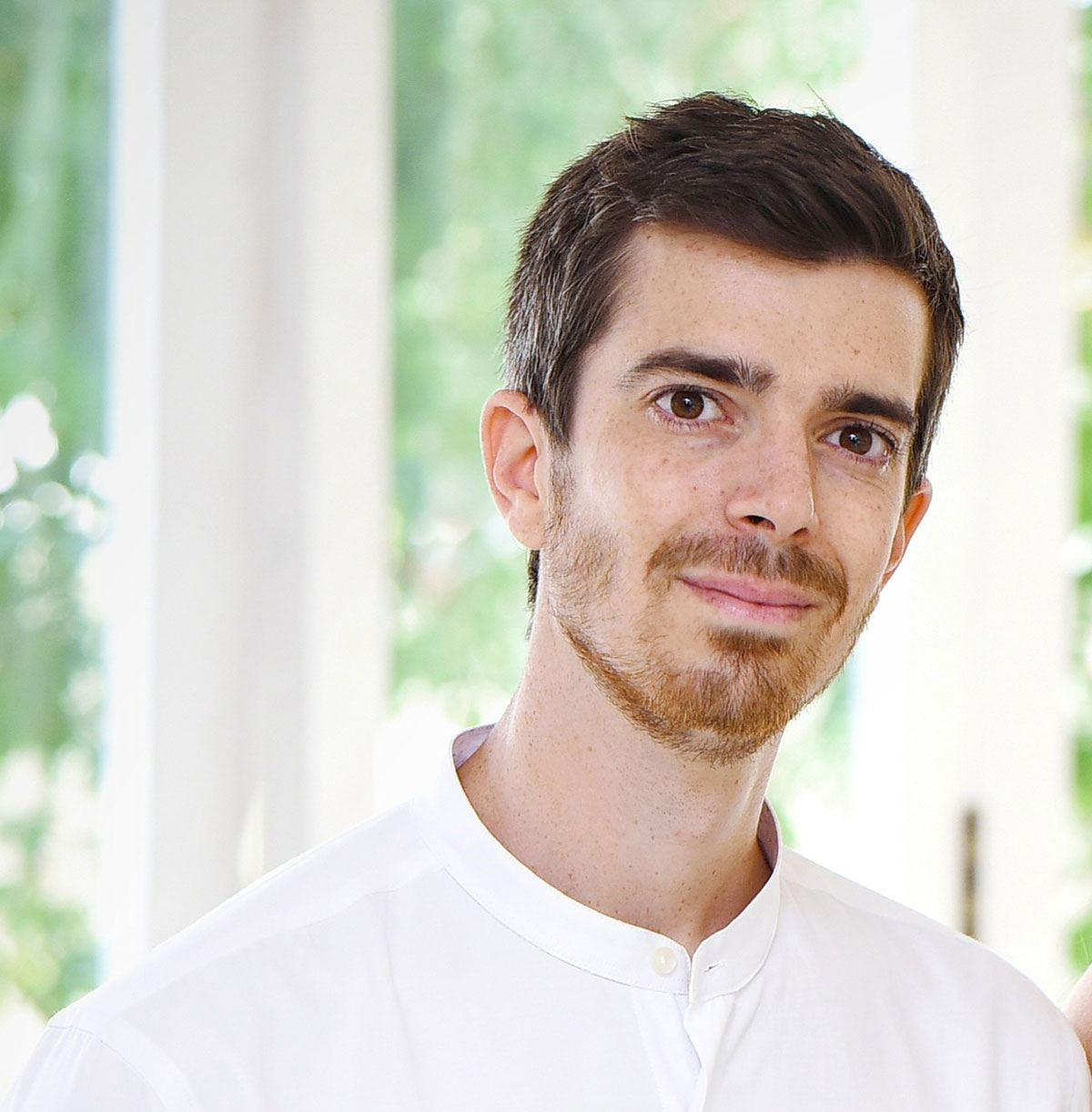

Physiotherapist | Manual Therapy & Movement Specialist
Yanay Sharir
Yanay Sharir is a licensed physiotherapist holding a Bachelor’s degree from the University of Haifa. He has been working with patients since 2019, gaining clinical experience in hospitals and private practices, with a focus on orthopaedic physiotherapy and sports rehabilitation.
At our clinic, Yanay initially provides manual therapy, therapeutic massage and individually tailored movement and strength training. His clinical background allows him to combine hands-on treatment with precise functional assessment and structured rehabilitation planning.
Throughout his professional career, Yanay has developed extensive experience in manual therapy, muscular treatment techniques and active rehabilitation programs. His work emphasizes restoring function, improving movement quality and reducing the risk of recurrent injury.
In private practice, he collaborated closely with an orthopaedic surgeon specializing in sports surgery and head of department, accompanying patients from pre-operative preparation through post-operative rehabilitation. This comprehensive approach strengthened his understanding of recovery as a structured and goal-oriented process.
Yanay has also worked as a physiotherapist for professional sports teams in football and basketball, and treated gymnasts, long-distance runners, ballet dancers and athletes from various Olympic disciplines, both professional and amateur. He previously ran a private clinic located within a climbing gym, where he additionally served as head of the coaching team.
He continues to expand his professional qualifications through advanced training, including Mulligan Concept, McKenzie Method, topographical anatomy, dry needling, advanced diagnostic courses and specialized training in hip and knee rehabilitation. Ongoing professional development is, for him, an essential part of responsible clinical practice.
His early exposure to manual techniques began during a period of residence in a Tibetan monastery, where he learned traditional massage techniques, mobility work and Tai Chi. This experience shaped his appreciation for the therapeutic value of touch and movement — elements that continue to inform his work today.
Personal Training
I have seen firsthand that age is not a limit: some people in their 50s may feel “older,” while others in their 80s move, train, and thrive like they are decades younger. While we cannot stop the passage of time, we can keep our bodies strong, flexible, and full of energy — ready to enjoy life to the fullest.
In our personal training sessions, we start with a complete assessment of each participant’s physical condition. Together, we design a tailored program that matches their goals, lifestyle, and daily routines — aimed at strengthening the body, improving flexibility, and boosting overall vitality.
During the following weeks, we meet at the clinic for personal training sessions, and each participant also receives a video-based exercise plan to continue training at home — at their own pace, anytime, anywhere.
Let’s work together to keep your body strong, your mind happy, and your life full of movement — at any age.
Education and Professional Background
| 2017–2021 | Bachelor’s degree in Physiotherapy, University of Haifa (including clinical internships) |
| 2021–2025 | Orthopaedic, vestibular, and respiratory physiotherapist at a public clinic |
| 2022–2024 | Owner of a private clinic and head of coaching team |
| 2022–2025 | Work with athletes and professional and amateur sports teams |
| 2024–2025 | Physiotherapist at a private clinic under the supervision of an orthopaedic surgeon |
Treatment Methods:
- Full body massage
- Sports rehabilitation massage
- Massage incorporating cooling and heating elements
- Facial, mouth, and jaw massage
- Deep friction and trigger point techniques
- Post-surgical rehabilitation massage
- Scar tissue massage
- Massage combined with stretching
“I believe movement plays a central role in every rehabilitation process. My work is evidence-based and individually tailored to each patient. Rather than focusing solely on the site of pain, I carefully assess the patient as a whole — evaluating function, movement patterns, and lifestyle — to identify the root causes of their issues. Every program I design aims to restore function, prevent future injuries, and optimize overall performance. Early experiences with manual techniques and mindful movement taught me the therapeutic power of touch and motion. Continuous learning ensures I apply the most current methods, always adapting treatment to the individual goals and needs of each patient.”
Interview
How did you become involved in physiotherapy and bodywork?
My initial encounter with the healing power of movement came through sports. Over the years, I was involved in various disciplines, including yoga, climbing, Tai Chi, and other forms of mindful movement. Through my own practice, I experienced firsthand the positive impact movement can have on the body. At the same time, I witnessed how structured and conscious movement significantly improved the lives of others around me.
This understanding led me to pursue physiotherapy as a profession, with the goal of enabling as many people as possible to experience movement as a source of recovery, strength, and balance.
What is your understanding today of health? What constitutes a healthy individual?
In my view, health is the foundation of quality of life and influences every aspect of our daily living. A well-functioning and balanced body supports emotional stability and vitality.
A healthy individual is someone who successfully integrates beneficial habits into their lifestyle — whether it is daily walks in the park, choosing a bicycle instead of a car, or playing basketball with friends on the weekend. Every person can find the form of movement that suits them best; the key lies in discovering it and maintaining consistency.
What causes patients to seek treatment with you?
I believe that the combination of precise diagnostic skills, patience, and attentive listening distinguishes me as a therapist. I do not focus solely on short-term pain relief; instead, I aim to equip my patients with the tools they need to take an active role in their recovery process.
My objective is to guide each individual toward functional independence and a safe, sustainable return to full activity.
What makes bodywork so special for you?
In modern life, many of us spend long hours sitting and moving very little. For me, bodywork provides an opportunity to pause, reflect, and reconnect with the body. Through touch and movement, it becomes possible to identify strain, release tension, and initiate meaningful change.
It is a space where the body receives focused attention — allowing strength, improved function, and long-term health to develop.
How do you perceive your role as a therapist?
I see myself as the case manager of my patient’s therapeutic process. My role is to assess the complete picture — physical, functional, and sometimes environmental factors — and to design the most appropriate treatment strategy.
When necessary, I collaborate with colleagues from other disciplines to ensure comprehensive care. I continuously update my knowledge through current scientific literature and professional education to provide evidence-based and effective treatment while making optimal use of our session time.
What do you believe is the greatest potential of the bodywork you provide?
Initially, our focus is often on reducing pain and improving symptoms. However, the greatest potential lies in creating long-term change. By developing an individualized program, we aim not only to resolve the current issue but also to prevent recurrence, improve functional capacity, and strengthen the patient’s ability to manage future physical demands.
What are your objectives when welcoming a new patient? How do you start their journey to health?
The journey toward recovery begins with understanding. I seek to learn about my patient’s goals, strengths, challenges, and daily routines — including work, hobbies, and activity levels.
Already during the first session, we define clear, realistic, and measurable goals within a structured timeframe. This allows us to monitor progress consistently and ensure that the treatment process leads to meaningful and sustainable outcomes.

